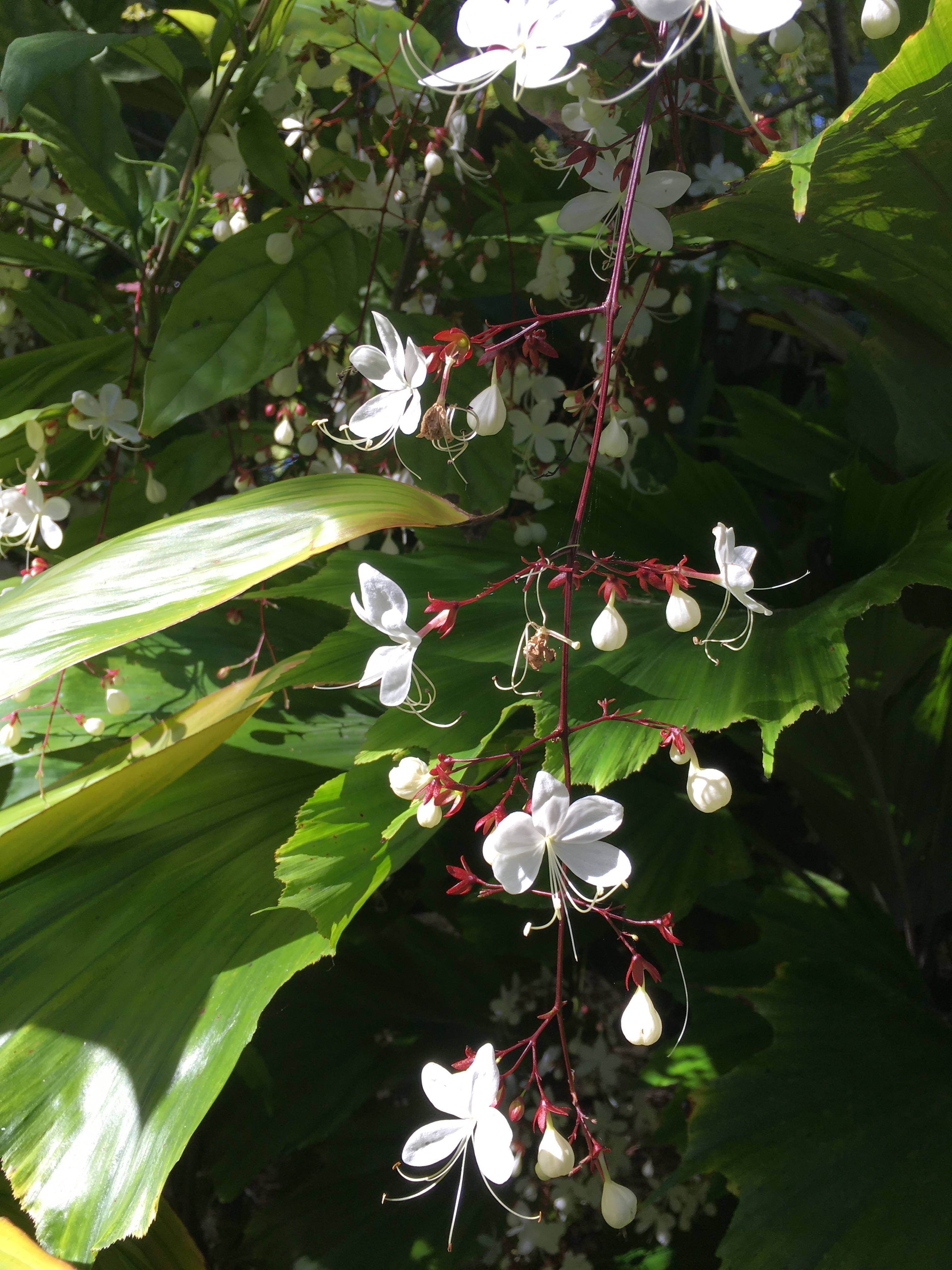
The Vibrant Fauna of Tadoba National Park:
A
Wildlife Lover's Paradise
Known as the very famous Tadoba Andhari Tiger Reserve is not just only a national park but also an ecosystem which is a mix of an incredible diversity of wildlife. Even if the majestic Royal Bengal Tiger is the star of this jungle, there are numerous other mammals, birds, reptiles, and insects that play a vital role in the web chain of the system. It stretches over an area of over 625 square kilometers in the heart of Maharashtra.
The Mammals: Stars of the Savannah and Forest
The population of the mammals is very rich and diverse with the most fascinating sight to be seen, undoubtedly the Royal Bengal Tiger. Tadoba is renowned for its healthy tiger population and offers one of the highest chances in India to witness these magnificent predators in their natural habitat. They are often seen roaming in their habitat, coming to drink water or rest near the water bodies or even on a hunt.
However the tiger shares its majestic kingdom with its fellow cats, the Leopard often spotted draped over a tree branch or walking on the path of the jungle. The Sloth Bear having its shaggy coat and long claws can be seen digging over for termites and searching fruits. Tadoba is also one of the few places where you can see the endangered Wild Dog or Dhole which is a highly social and efficient hunter.
The herbivores form the base of the food chain and are a common sight to everyone. It is very easy and often a large herds of Spotted Deer called as Chital and Sambar Deer graze in the green plains. The massive Gaur called the Indian Bison which is the largest bovine in the world moves in small groups and is a sight to behold. Others include the Chinkara called Indian Gazelle, the sturdy Nilgai known as Blue Bull, and the unique Chausingha called Four-horned Antelope.
The park is also home to a variety of smaller mammals that add to its charm. The Indian Pangolin, the Honey Badger, Jungle Cat, Striped Hyena, Jackal, Indian Fox, and troops of Rhesus Macaques and Common Langurs. At night creatures like the Flying Squirrel, Porcupines, and Civets can be seen.
A Symphony of Feathers: The Avian World
Home to over 195 species of birds, Tadoba has a combination of lakes, bamboo forests, and various habitats that makes a perfect place to live in. It is very common to find the Crested Serpent Eagle, the Changeable Hawk-Eagle, and the Grey-headed Fish Eagle. Near the lakes and water bodies birds like various kingfishers and birds like Bronze-winged Jacana can be seen.
The forests are alive with color and the song of the brilliant Indian Pitta which is a migratory visitor and photographers come here in search of it. The graceful Asian Paradise Flycatcher with its long white tail feathers is a must see here. Other colourful residents include the Vernal Hanging Parrot, the Golden Oriole, and the Black-naped Blue Flycatcher. No visit is complete without seeing the national bird of India, the Indian Peafowl showcasing and dancing with its beautiful feathers.
Reptiles of Tadoba
The fauna of Tadoba is home to the most prominent reptile, the Marsh Crocodile which is seen sunbasking on the banks of Tadoba Lake and also to the impressive Indian Python.Other snakes include the venomous Indian Cobra and Russell's Viper, as well as non-venomous species like the Common Trinket Snake and the Green Vine Snake. The Common Indian Monitor Lizard is a frequent sight. Also Terrapins turtles and rare Indian Star Tortoise can be seen in the drier areas.
Insects and Butterflies
The micro-wildlife fauna of Tadoba is equally fascinating which is home to 74 species of butterflies that turns the forest into a kaleidoscope of colour. Species like the vibrant Monarch, the Common Mormon, the Pansies, and the Swordtails flit among the flowers. Others like Jewel Beetles, Dragon flies, and spiders are found. The forest floor and trees are home to the Signature Spider which is known for the unique patterns on its web.
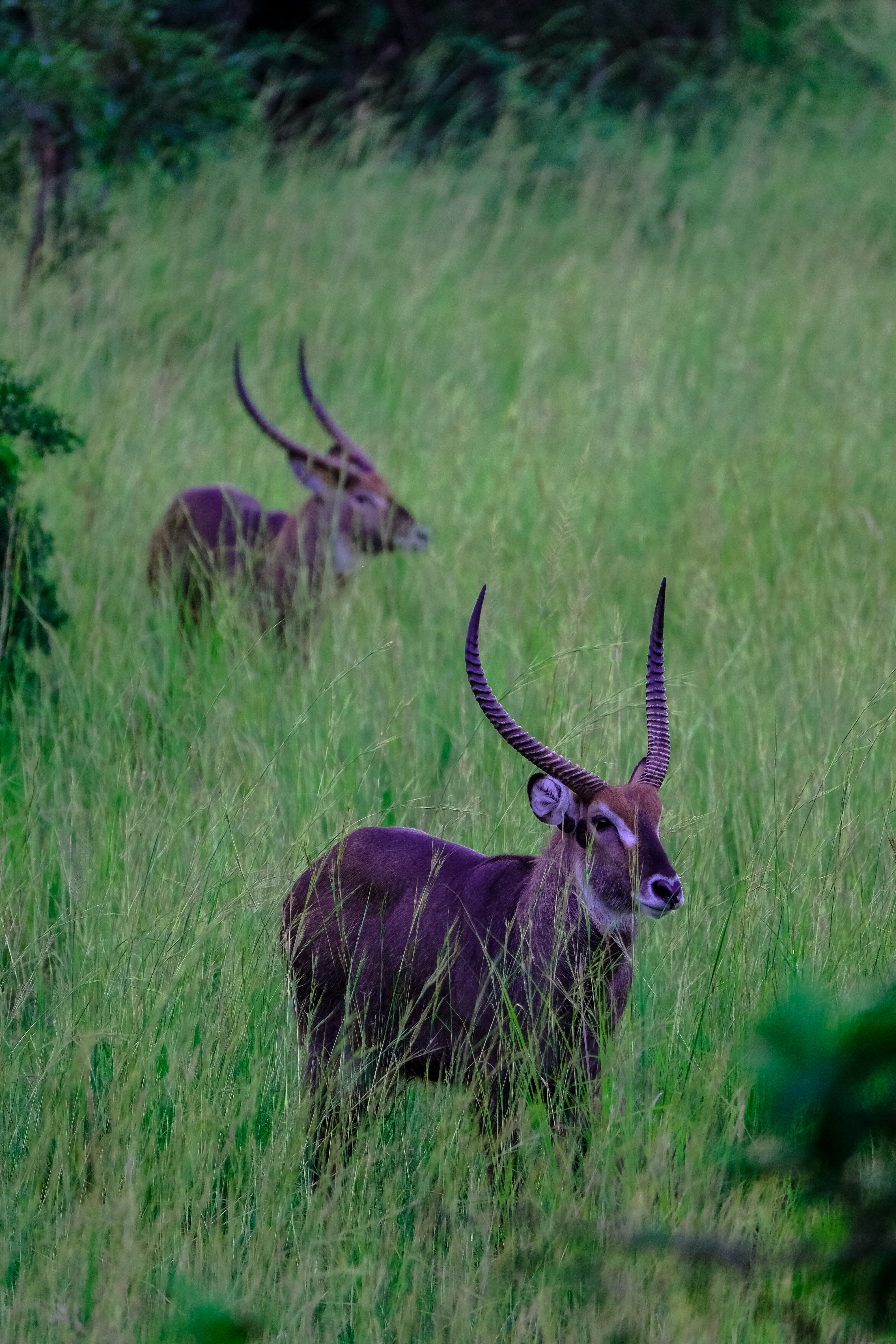
The Green Kingdom: Flora of Tadoba National Park
Tadoba Andhari Tiger Reserve is not just a home for animals, rather it is a green kingdom that supports the entire ecosystem. The forest is a Tropical Dry Deciduous type which means most trees shed their leaves during the hot summer. The flora here is diverse with over 140 species of trees, plants, herbs and grasses that is the support of the wildlife.
The Mighty Trees of Tadoba
The most common and important tree in Tadoba is Teak where you can see these tall, strong trees throughout the forest. Their hard wood is very valuable. Another famous tree is the Flame of the Forest called Palas which gets covered with bright orange red flowers in spring. It is used to make Sarbat and the flowers seem to make it look like the forest is on a fire from a distance. Near the lakes and waterholes you can find trees that love water like the Jamun and the Arjun tree.
Other important deciduous trees include:
- Ain (Crocodile Bark): Named because its bark looks like a crocodile’s skin and bark is used in traditional medicine.
- Bija: A tall tree that is becoming rare in other parts of India.
- Mahua: This tree is very important for local tribes and flowers are used to make a sweet drink and its seeds produce oil.
- Semal: Also known as the Silk Cotton tree which has large red flowers and its fruit produces cotton-like fiber.
- Tendu: Its leaves are used to make ‘bidis’ which is a type of local cigarette.
The Forest Floor: Shrubs, Grasses, and Bamboo
The forest is not just about tall trees but also with a variety of grasses, shrubs, and thickets of bamboo. These bamboo patches are very important as they provide food for herbivores like deer and also shelter for animals like sloth bears and even tigers. The grassy meadows are where animals like chital called spotted deer and gaur Indian bison love to graze.
Medicinal Plants
This national park is a natural pharmacy which is home to many plants having medicinal properties. Trees like Neem, Beheda and Hirda have Ayurvedic properties and a plant called Kach Kujali that is used to help treat Parkinson’s disease is found here.
The Challenge of Weeds
Like many forests Tadoba also faces a problem of weeds like Lantana Camara and Parthenium growing very aggressively and spreading quickly. They can choke out the native plants that animals need for food. The forest department works hard to control these weeds to protect the natural balance of the ecosystem.
Why Flora is So Important
We get shade, oxygen, food along with fruits like Mahua, Jamun which are eaten by plants and birds. The leaves and grasses are food for the herbivores and where there are herbivores then predators like tigers and leopards can also be found. So, every plant from the tallest Teak tree to the smallest blade of grass plays a part in making Tadoba a perfect home for wildlife.